
Smoking herbs: history, traditions, and natural rituals
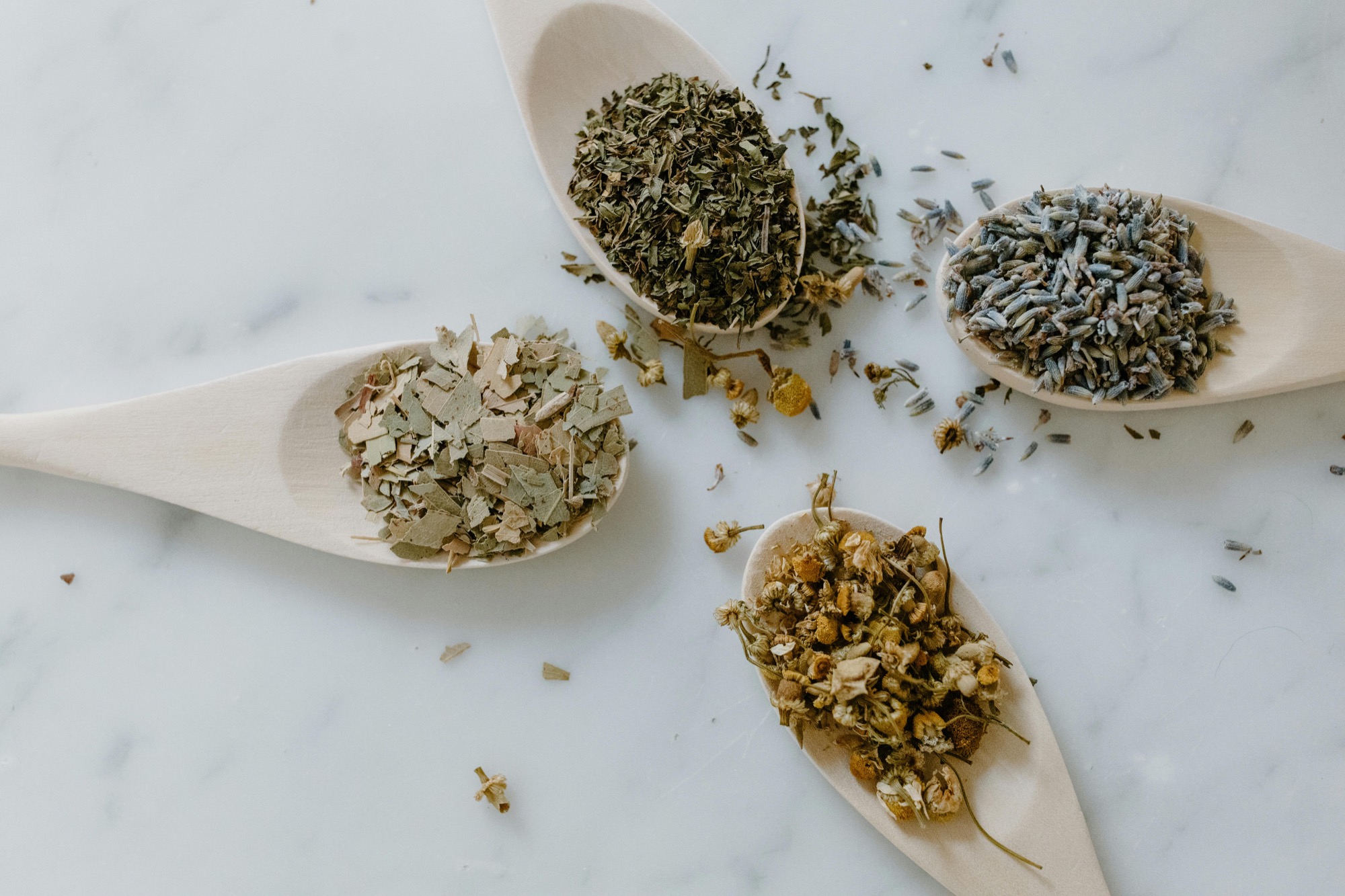
Smoking herbs have been part of human traditions for ages—used in sacred rituals, quiet moments, or simply to enjoy their aromas and effects in a direct way.
Long before industrial tobacco, many peoples already used dried plants in cultural and spiritual practice. These herb blends could accompany ceremonies, contemplation, or customs passed down through generations.
Today, interest is growing again. As more people want to cut back on tobacco and as cannabis markets evolve, many rediscover herb blends as an interesting alternative or complement. Some plants are also valued for their smoothness, scent, or the sensory experience they can offer.
In this article, we explore the history of smoking herbs, the traditions around them, and the plants used across cultures.
History and traditions
Plants such as mullein, sage, mint, or kinnikinnick belong to old traditions in many parts of the world. Depending on time and place, they could be smoked, burned, or used as incense to spread aroma during ceremonies, spiritual practice, or moments of reflection.
Uses varied by culture: some plants supported sacred rites or spiritual life; others were part of daily life or healing traditions.
Examples around the world
In North America, many Indigenous nations used plant blends in ceremonial and spiritual contexts. Kinnikinnick was part of traditions linked to purification, meditation, or important community gatherings.
In ancient Egypt, aromatic plants mattered in religious ritual. Herbs like mint or thyme were burned as offerings, while blue lotus was treated as a sacred plant tied to spiritual symbolism.
In Europe, rosemary, thyme, sage, and others were common in traditional medicine and home practice—often grown in physic gardens and prepared as plant remedies.
In the Mediterranean, resins such as frankincense or myrrh were burned in religious or spiritual rites, notably for their distinctive scent and meaning.
In India, some Ayurvedic traditions mention Dhumapana, an old practice of inhaling smoke from certain medicinal plants through a tube called Dhumnetra.
These customs show how deeply plants have shaped human cultures—spiritual, medicinal, and social.
Why people turn to herb blends today
In recent years, curiosity about plants and natural products has surged. More people want to reduce tobacco or explore gentler alternatives; herb smoking blends appeal to those looking for a different relationship with smoking.
Changes in cannabis markets have also renewed interest. Some consumers add herbs to their mixes for a different aromatic note or to soften smoke.
Others simply enjoy herb blends as part of relaxation—whether a pause, a personal ritual, or a social moment—for some, that fits a more conscious, natural approach.
Interest in botanical traditions keeps growing, and smoking herb blends are among the old practices people rediscover with curiosity.
Plants often found in blends
Herb smoking blends can combine many plants, each bringing its own aroma, texture, and character. Mixing them creates a wide range of unique profiles.
Often, blends are built from three roles: base herbs, supporting herbs, and aromatic herbs—balancing texture, scent, and overall experience.
Base herbs usually make up most of the mix: they form the foundation and help a smoother, more even texture.
Supporting herbs are added in smaller amounts to round out the blend and add extra qualities.
Aromatic herbs add fragrant or fresh notes that define a mix; some blends skip them on purpose to stay closer to a neutral, tobacco-like taste.
Common examples include mullein, raspberry leaf, mint, and Labrador tea—a boreal plant well known in many regions of Canada.
Combining different plants allows many unique aromas and experiences.
Responsible harvesting and respect for plants
Caring about the plants in traditional blends also means thinking about how they are gathered. Some grow wild and deserve careful picking so natural stands and renewal are protected.
Responsible harvesting means taking only a small part, respecting growth cycles, and avoiding harm to the surrounding ecosystem—so we benefit from plants while they keep regenerating and thriving.
Labrador tea, for example, grows in sensitive habitats and needs particular care when harvested. Choosing respectful methods and local plants when possible supports sustainability and ecosystem health.
More producers and artisans are adopting ecological practices not only in gathering but also in packaging—reducing environmental impact and aligning with values of care and stewardship.
Modern use and natural alternatives
Enthusiasm for natural plants continues to grow. Many herbs are also enjoyed as teas or infusions—a gentle way to explore their aromas.
People explore tea blends for unique scents, taste, or the calm they can bring. In some traditions, such blends have also been used for light comfort or ease, depending on culture and personal practice.
This rediscovery lets us enjoy botanical richness in a respectful, creative way. To go further, visit the NatiZèb shop or our About page.
In closing, smoking herbs bridge old traditions and modern habits—whether you explore their aromas or a quiet moment, they connect us with local plant life and invite a respectful stance toward nature.
Responsible harvesting and attention to local varieties help preserve these botanical treasures for future generations while reconnecting with inspiring cultural practices.
Exploring smoking herbs opens a world of scent, texture, and story—a meaningful way to revisit older traditions and enjoy plants thoughtfully.